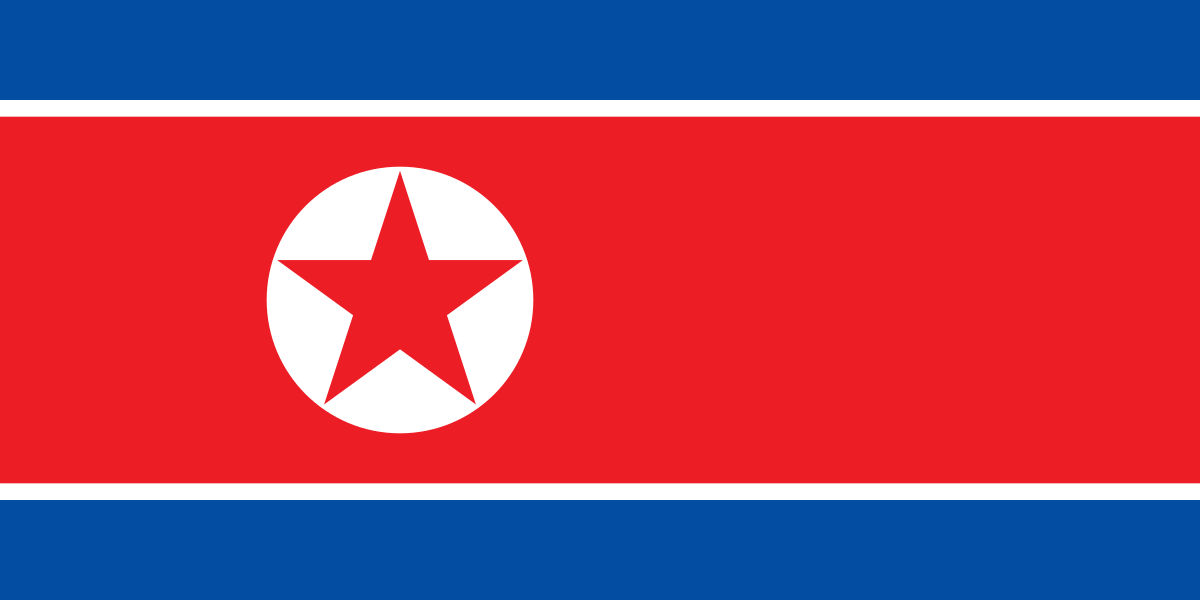
North Korea — No Winter Rule, Studs Restricted, 2026-27
Data verified:
4 min readNorth Korea drives on the right side of the road. The minimum driving age is 18. The motorway speed limit is 80 km/h. The general emergency number is 112. Foreign drivers should carry an International Driving Permit (IDP) alongside their valid national licence.
North Korea: Winter tyres are not legally required, but road conditions and insurance implications tell a different story. Use our tyre checker to see exactly what you need.
Personalise for Your Trip
See how North Korea differs from your home country
North Korea sets no winter tyre mandate, and studded tyres are restricted rather than freely allowed. The legal tread minimum is 1.6mm, unremarkable by regional standards. Independent driving here is rare, but the rule applies to any vehicle on the road regardless.
Independent driving in North Korea is effectively impossible, but if you are ever behind the wheel, the vehicle’s condition — tyres included — is on your guide, not you.
Tyre Law Summary for North Korea
| Regulation | Status |
|---|---|
| Winter tyres | Not required |
| Required period | N/A |
| Minimum tread depth | 1.6 mm |
| Recommended tread | 3.0 mm |
| Studded tyres | Restricted |
| All-season accepted | Yes |
| Required markings | M+S or 3PMSF |
Winter Tyre Rules in North Korea
North Korea has no legal requirement for winter tyres. However, if you drive in areas that experience cold temperatures (below 7°C), winter or all-season tyres provide measurably better grip than summer tyres. Summer rubber hardens in cold weather and loses traction significantly.
Minimum Tread Depth in North Korea
North Korea sets the legal tread depth minimum at 1.6 mm. Inspectors measure across the central three-quarters of the tread surface.
Safety organisations recommend that drivers in North Korea replace tyres at 3.0 mm rather than running them down to the legal limit. The difference in wet braking at 80 km/h:
| Tread Depth | Wet Braking (80 km/h) | Risk Level |
|---|---|---|
| 8 mm (new tyre) | ~26 metres | Low |
| 3 mm | ~32 metres | Moderate |
| 1.6 mm (legal minimum) | ~43 metres | High |
Checking tread depth: most tyres sold in North Korea have wear indicators (TWI) moulded into the grooves. When the tread surface is level with these bars, you have reached 1.6 mm and the tyre must be replaced.
Studded Tyres in North Korea
Studded tyres are restricted in North Korea. There may be seasonal windows, regional rules, or maximum stud specifications. Check local regulations before fitting studded tyres, especially if you are driving across regional borders.
All-Season Tyres in North Korea
All-season tyres are a legal option in North Korea provided they carry the M+S marking. They are a popular choice for drivers who want year-round convenience without maintaining two sets of tyres.
Penalties for Tyre Violations in North Korea
Non-compliant tyres in North Korea can result in fines during police checks. The financial risk extends beyond the fine itself — if you are involved in a collision with illegal tyres, you may be found at fault regardless of other circumstances.
Tyre Choice for North Korea’s Climate
North Korea has seasonal climate with monsoons. This means tyres face both warm-weather wear and occasional cold-weather challenges:
- Summer: high temperatures increase tyre pressure and accelerate wear. Check pressure monthly and inspect for cracking or bulges
- Autumn/winter: wet roads and occasional frost mean tread depth matters more than in summer. If your area sees regular frost, consider winter or all-season tyres
- Year-round: all-season tyres are a practical choice if your winters are mild and you prefer not to swap tyres twice a year
Road Conditions and Tyre Wear in North Korea
Road surfaces in North Korea are generally good quality, with well-surfaced motorways and maintained secondary roads. Urban stop-and-go traffic causes shoulder wear, while longer highway stretches wear the centre. Regular rotation (every 8,000–10,000 km) keeps wear even.
How North Korea’s Tyre Laws Compare to Neighbours
Planning a cross-border trip from North Korea? Here is how neighbouring countries differ:
- Taiwan: Winter tyres not required. Tread: 1.6 mm. Studded: restricted.
- Mongolia: Winter tyres mandatory (October - April). Tread: 1.6 mm. Studded: allowed.
- South Korea: Winter tyres not required. Tread: 1.6 mm. Studded: restricted.
- China: Winter tyres not required. Tread: 1.6 mm. Studded: restricted.
Note that Mongolia has stricter winter tyre rules than North Korea. If you are crossing the border in winter, you may need to fit winter tyres even though they are not required at your starting point.
Check our Driving in North Korea guide for speed limits, penalty details, and equipment requirements.
Tyre Regulations Summary
| Winter Tyres | Not required |
| Period | No fixed dates |
| Min. Tread Depth | 1.6 mm |
| Studded Tyres | Restricted |
| All-Season | Accepted |
| Marking | — |
Driving through more than one country this winter? Compare winter tyre rules, dates and legal tread depths for every country →
Driving in North Korea — Key Facts
Speed Limits
- Urban: 40 km/h
- Rural: 60 km/h
- Motorway: 80 km/h
Emergency Numbers
- Police: 112
- Ambulance: 112
- Fire: 112
- General: 112
Country Info
- Capital: Pyongyang
- Driving Side: Right
- Languages: Korean
- Currency: North Korean won (₩)
- Population: 25,950,000
Complete Driving Guide for North Korea
Speed limits, traffic rules, mandatory equipment, license requirements and more.
View driving guideRenting a Car in North Korea?
Compare prices from all major rental companies. Free cancellation on most bookings.
Compare Car Rental PricesSome links on this page are affiliate links. We may earn a commission at no extra cost to you. Learn more.
Frequently Asked Questions
In North Korea's continental climate, switch to winter tyres when average temperatures consistently drop below 7°C — typically October or November. Switch back to summer tyres around April when temperatures rise. Even if not legally required, winter tyres reduce braking distance on cold roads by up to 40%.
The legal minimum tyre tread depth in North Korea is 1.6 mm. However, tyre safety experts recommend replacing tyres at 3 mm for wet conditions and 4 mm before winter. At 1.6 mm, wet braking distance at 80 km/h is approximately 65% longer than with new tyres.
Winter tyres are not legally required in North Korea. However, if you drive in areas that experience cold temperatures below 7°C, winter or all-season tyres will provide better grip and safety than summer tyres.
Studded tyres are restricted in North Korea. Check local regulations for any seasonal or regional restrictions. When using studded tyres, drive cautiously on dry roads as studs can reduce grip on bare asphalt.
Reputable rental companies in North Korea should provide vehicles with season-appropriate tyres. Always confirm this when booking, especially if travelling during winter. Inspect the tyres when collecting the vehicle — check tread depth and look for visible damage. Report any concerns before driving away.
North Korea drives on the right. Tyre wear patterns may differ if your vehicle was designed for left-hand traffic, as weight distribution changes. Check tyre pressure monthly, inspect for damage regularly, and never mix tyre types on the same axle.
Related Articles
Dashcam Bans 2026: Austria Can Fine You EUR 10,000
Austrian privacy law makes filming the road effectively illegal, Luxembourg bans them in private cars, and German courts have taken footage since 2018.
Driving LawsEurope Speeding Fines 2026: EUR 15 to an Uncapped Day-Fine
The same 20 km/h over the limit costs EUR 15 at the cheap end and EUR 70 on a German Autobahn, and in Switzerland a share of income with no ceiling.
Driving LawsRadar Detectors in Europe 2026 — €1,500 Fine in France
France seizes the device and fines €1,500 plus six licence points; Germany charges €75 for using one, and Waze camera alerts are unlawful in two countries.
Driving in North Korea
Speed limits, driving rules & travel tips
 Afghanistan
 Armenia
 Bahrain
 Bangladesh
 Bhutan
 Brunei