Angola sets no winter tyre season and no stud rules. Tread floor is 1.6 mm. The rains run roughly October to April, and the cool, dry cacimbo season is May to September.

Angola 2026: a Desert Coast and No Winter Tyre Rule
Data verified:
3 min readAngola drives on the right side of the road. The minimum driving age is 18. The motorway speed limit is 100 km/h. The legal blood alcohol limit is 0.06% BAC.
Tyre details
- How the EU tyre label grades wet braking and rolling resistance — What each letter and pictogram on the sticker actually measures.
- What the speed letter on the sidewall allows — H, V, W and Y decoded, plus the sticker rule for lower-rated winter sets.
- Reading the load index before you buy replacements — The two- or three-digit number that caps weight per tyre.
- Tyre noise ratings in decibels — What the dB figure and the A, B or C class on the label mean inside the car.
- Calculate tyre pressure from your tyre size and load — A starting figure in bar and psi, then the door placard has the final word.
Personalise for Your Trip
See how Angola differs from your home country
Angola has no winter tyre rule and no studded tyre category — neither appears anywhere in its road rules. What does apply is a 1.6 mm minimum tread depth in the main grooves, the same for private cars and hire cars.
The more useful correction for anyone planning a trip is the calendar. Angola is south of the equator, so its cool months are its dry ones. May to September is the cacimbo: grey, cool and often foggy on the coast, dry inland. The rain comes between roughly October and April.
Tyre Law Summary for Angola
| Regulation | Status |
|---|---|
| Winter tyres | No rule, no season |
| Required period | No set period |
| Minimum tread depth | 1.6 mm |
| Practical change point | 3.0 mm |
| Studded tyres | Not used, not regulated |
| All-season accepted | Yes |
A country with a desert coast and a tropical interior
Angola is not one climate. The cold Benguela current runs offshore and strips moisture out of the air, which is why the coastal strip is dry and the far south, around Namibe, is desert — the northern end of the same sand system as Namibia’s.
Move inland and north and the picture reverses: the Planalto and the provinces towards the Congo basin are humid and genuinely wet in season. Tyre planning follows that split. In the south, expect heat, dust and abrasive gravel. In the north and inland, expect standing water, soft verges and washed-out edges after rain.
What actually finishes tyres here
- Cuts, not wear. Outside the main corridors the surface is laterite and gravel. It cuts shoulders and sidewalls. A cut sidewall is not repairable whatever the tread looks like.
- Age. Sustained tropical sun hardens the compound and crazes the rubber between tread blocks. The DOT code on the sidewall — last four digits, week and year — is the better test.
- Standing water in the rains. Deep tread clears water; shallow tread floats on it. This is the argument for changing at around 3 mm rather than running to the legal floor.
One caution that has nothing to do with tyres
Parts of the eastern and south-eastern provinces, particularly Moxico and Cuando Cubango, still carry unexploded ordnance from the civil war. Clearance work continues, but the rule for drivers is simple: stay on established tracks, do not pull off onto an unused verge in those provinces, and take local advice before any detour.
Angola’s neighbours
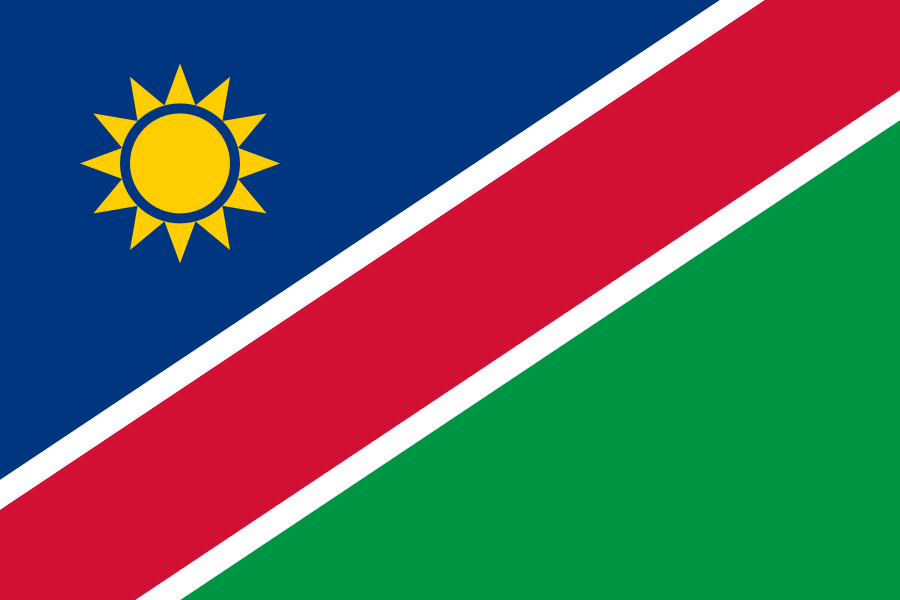
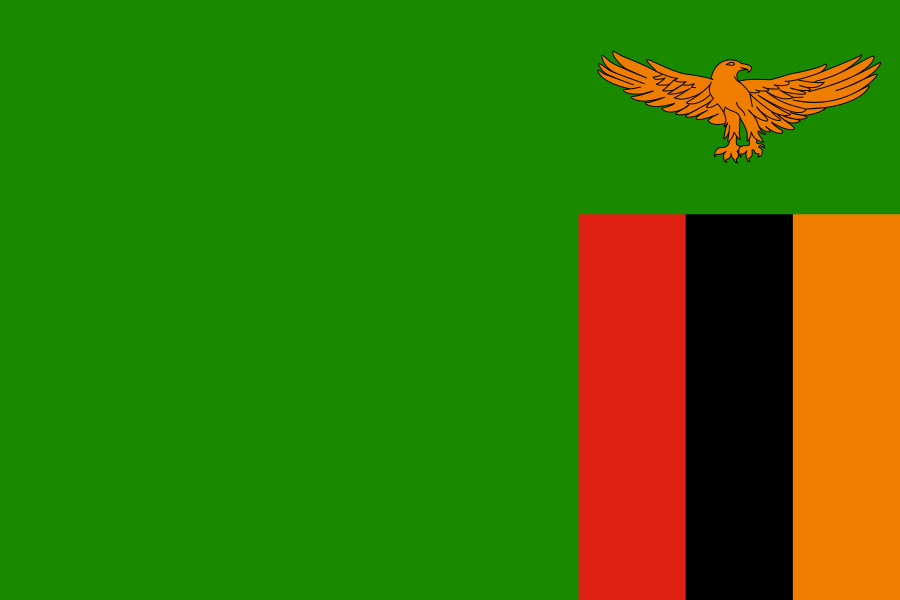
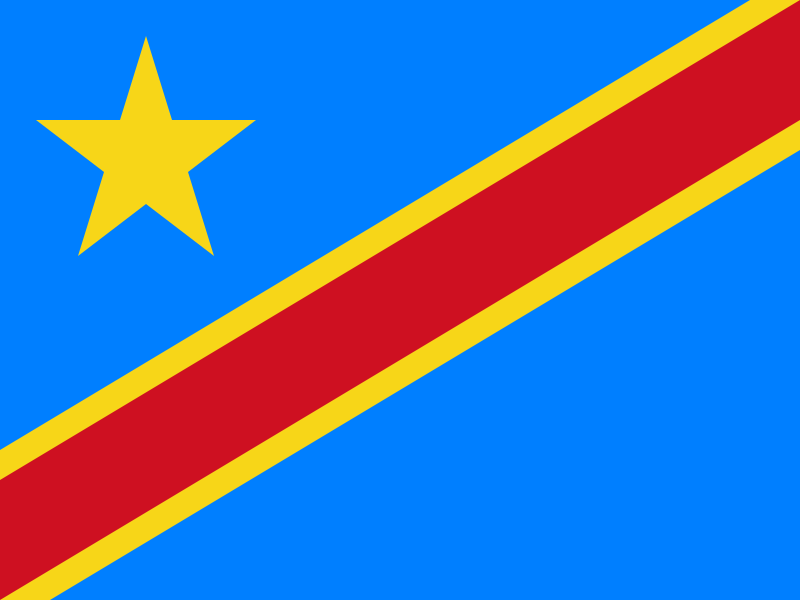
Four countries share a land border, counting the Cabinda exclave, and none of them has a winter tyre rule:
- Namibia: to the south, across the Cunene. Gravel-road driving there is a discipline of its own, and punctures are the routine failure.
- Zambia: to the east, no winter tyre season and the same 1.6 mm benchmark.
- DR Congo: to the north and east, and also the neighbour of the Cabinda exclave.
- Republic of the Congo: borders Cabinda only, not mainland Angola.
💡 Calculate yours: Tyre Pressure Calculator — instant correct PSI/bar for any car and load, free.
For speed limits, licences and equipment rules, see the Driving in Angola guide.
Related tools
Tyre Regulations Summary
| Winter Tyres | Not required |
| Period | No fixed dates |
| Min. Tread Depth | 1.6 mm |
| Studded Tyres | Not Applicable |
| All-Season | Accepted |
| Marking | — |
Driving through more than one country this winter? Compare winter tyre rules, dates and legal tread depths for every country →
Driving in Angola — Key Facts
Speed Limits
- Urban: 50 km/h
- Rural: 80 km/h
- Motorway: 100 km/h
Emergency Numbers
- Police: 110
- Ambulance: 112
- Fire: 118
Country Info
- Capital: Luanda
- Driving Side: Right
- Languages: Portuguese
- Currency: Angolan kwanza (Kz)
- Population: 36,170,961
Useful Driving Phrases in Portuguese
| English | Portuguese |
|---|---|
| Where is the nearest petrol station? | Onde é o posto de gasolina mais próximo? |
| I need help / roadside assistance | Preciso de ajuda / assistência na estrada |
| Where can I park? | Onde posso estacionar? |
| How do I get to the motorway? | Como chego à autoestrada? |
| I had an accident | Tive um acidente |
| Speed limit | Limite de velocidade |
| No parking | Proibido estacionar |
| Toll road | Estrada com portagem |
| Fill up the tank, please | Encha o depósito, por favor |
Complete Driving Guide for Angola
Speed limits, traffic rules, mandatory equipment, license requirements and more.
View driving guideRenting a Car in Angola?
Compare prices from all major rental companies. Free cancellation on most bookings.
Compare Car Rental PricesSome links on this page are affiliate links. We may earn a commission at no extra cost to you. How our affiliate links work.
Frequently Asked Questions
No. Angola lies in the tropics south of the equator and sets no seasonal tyre obligation. Its cool months, May to September, are the dry ones, and the road surface does not freeze.
1.6 mm in the main grooves, measured across about three-quarters of the tread width. Given the rainy season and the state of secondary roads, changing nearer 3 mm is the practical standard.
Roughly October to April inland and in the north, with the heaviest falls between November and March. The south and the coastal strip are far drier, and the Namibe region is genuine desert.
The cool, overcast, often foggy dry season along the coast from about May to September, produced by the cold Benguela current offshore. Mornings can be grey and damp without a drop of rain falling.
Parts of the eastern and south-eastern provinces still carry unexploded ordnance from the civil war. Stay on established tracks, do not park on verges in those areas, and take local advice before any detour.
Four: Namibia to the south, Zambia to the east, and the Democratic Republic of the Congo to the north and east. The Cabinda exclave also borders the Republic of the Congo. None has a winter tyre rule.
Related Articles
Are Dashcams Legal in Austria? No — EUR 10,000 Fine in 2026
Country-by-country status for 2026, which courts accept the footage, the confiscation risk at an Austrian stop, and the rule that catches hire cars.
Driving LawsEurope Speeding Fines 2026: EUR 15 to an Uncapped Day-Fine
The same 20 km/h over the limit costs EUR 15 at the cheap end and EUR 70 on a German Autobahn, and in Switzerland a share of income with no ceiling.
Driving LawsRadar Detectors Legal in Europe 2026: 5 Bans, €1,500 Fine
The 2026 table for all of Europe: hardware versus camera-warning apps, five outright bans, France's EUR 1,500 seizure and Germany's EUR 75 use-only rule.
Driving in Angola
Speed limits, driving rules & travel tips
 Namibia
 Zambia
 DR Congo
 Republic of the Congo
 Botswana
 South Africa