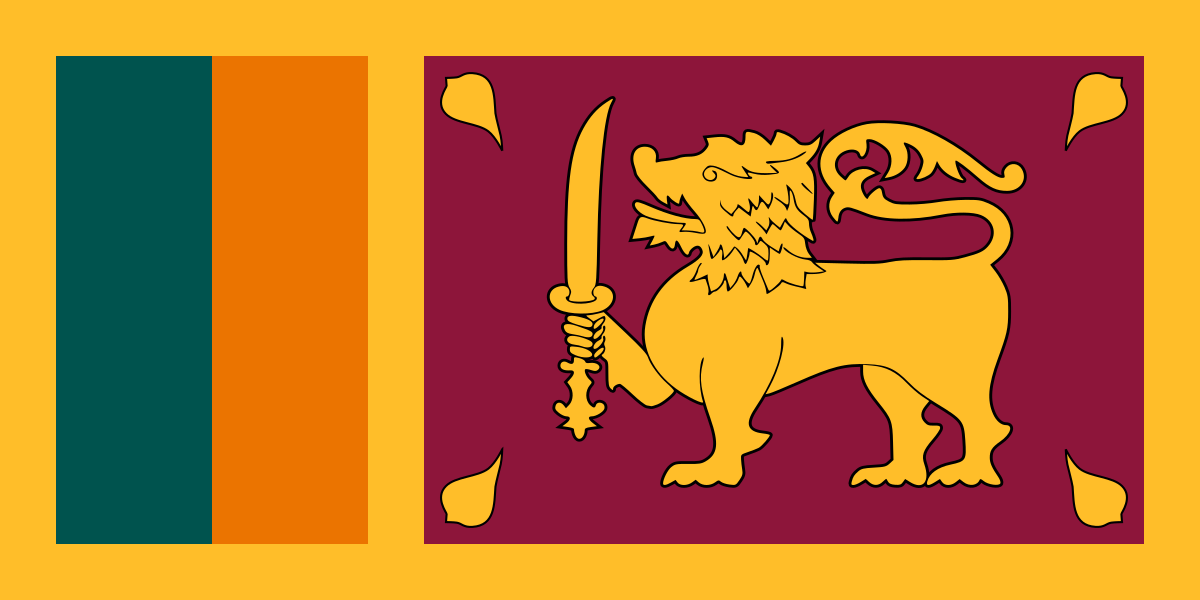
Sri Lanka on an Indian Licence — IDP Required, but No Side Switch
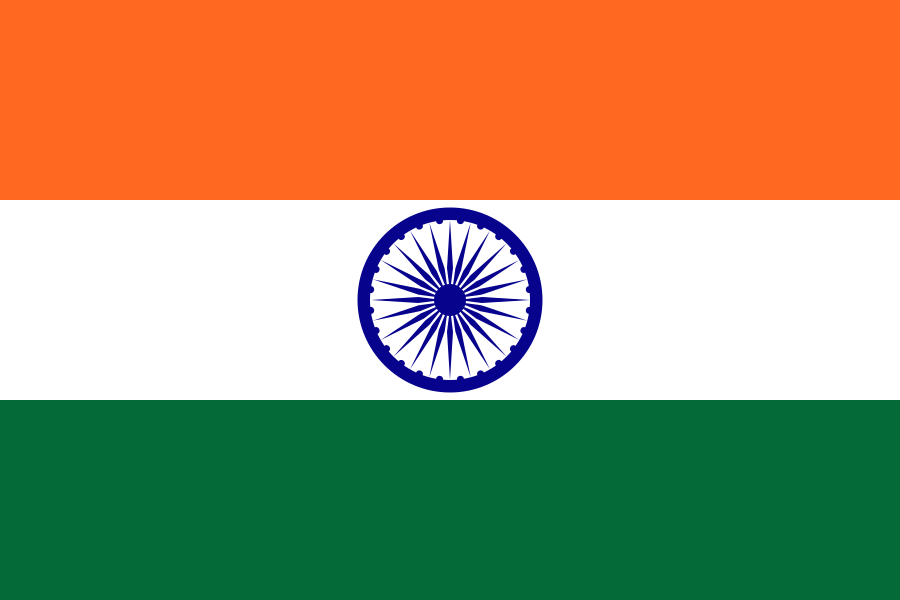 India
Sri Lanka
An Indian licence alone is not enough in Sri Lanka. Bring a 1949 IDP from your RTO, then get a Sri Lankan recognition permit at the airport counter, the AAC in Colombo or the DMT. Traffic keeps left, as in India.
Is an Indian driving licence valid in Sri Lanka? Only as part of a set of three. You bring your Indian licence and a 1949 International Driving Permit from your RTO, and in Sri Lanka you add a recognition permit, sometimes called a temporary licence. The permit is issued at the counter at Bandaranaike International Airport, by the Automobile Association of Ceylon in Colombo, or by the Department of Motor Traffic at Werahera. Once you have it, driving will feel close to home: Sri Lanka keeps to the left, just as India does.
People also ask whether you can drive from India to Sri Lanka. You cannot. Sri Lanka is an island with no road or bridge to the mainland, so your own car stays in India and you hire on arrival.
Before you fly: the RTO permit
India and Sri Lanka are both parties to the 1949 Geneva Convention, which is why the 1949 permit is the one to get. Apply at your RTO well ahead of departure, because no office in Sri Lanka can issue an Indian IDP. Check that the car category is shown on it.
After you land: the recognition permit
The UK government’s description of the process at the AAC is useful for any foreign driver. You take your home licence, your IDP and 2 passport photos to the Automobile Association of Ceylon; it checks the documents and issues the recognition permit. Your hire company usually helps with this, and some will arrange it before you collect the car. Pack the photos in your hand luggage so you can use the airport counter if that is quicker.
Without the recognition permit, the IDP alone does not let you drive a hire vehicle.
Picking the hire company
The same UK advice adds a check that is easy to skip: hire from a company registered with the Sri Lanka Tourist Board and holding a ‘Safe & Secure’ certificate. Make sure the insurance is suitable, and check that the vehicle is roadworthy before you leave the yard. Tourists can hire cars, tuk-tuks and motorbikes, but the UK government calls motorbike riding especially dangerous.
Familiar side, unfamiliar risks
Speed limits are 50 km/h in towns, 70 on rural roads and 100 on the expressways, all lower than the 70, 80 and 120 Indian drivers know for cars. The expressways are modern and easy. Ordinary roads are another matter: tuk-tuks, cyclists, pedestrians and animals share the lane, and public buses are often driven fast and rarely give way. Remote roads may be in poor condition, driving is erratic and accidents are frequent, especially at night. Plan to reach your hotel before dark.
Checkpoints and closed roads
Some main roads still have security checkpoints. Follow the instructions of the police or army officers there, and stop when asked: the UK government notes that security forces have opened fire on vehicles that did not stop. In Colombo, roads around government and military sites are often closed at short notice, for example for VIP convoys, so allow extra time.
When you see a checkpoint ahead, slow down early, keep both hands visible and have the licence, IDP and recognition permit within reach rather than packed in a bag in the boot.
If there is a collision
Stay at the scene with the vehicle, as long as it is safe to do so. If it is not safe, or you feel threatened, go to the nearest police station and report there instead.
Alcohol
Published figures for Sri Lanka’s limit differ between sources, and India’s own 0.03% is not a reliable guide here. Do not drink before driving.
Emergency numbers
Sri Lanka does not use India’s 112. Call 118 or 119 for the police and 1990 for an ambulance. Read the Sri Lanka driving guide and run your documents through the Driving Permit Checker before collecting a vehicle.
Sources
- GOV.UK foreign travel advice, Sri Lanka, safety and security (1949 IDP and recognition permit; AAC process with 2 passport photos; registered hire firms with ‘Safe & Secure’ certificate; road safety; collisions; checkpoints; Colombo closures; buses): gov.uk
- GOV.UK, international driving permit table (Sri Lanka: 1949, plus recognition permit from the AAC): gov.uk
- GOV.UK foreign travel advice, Sri Lanka, emergency numbers (police 118/119; ambulance 1990): gov.uk
- Government of Canada travel advice, Sri Lanka (temporary licence or recognition certificate from the airport counter, AAC Colombo or DMT Werahera; traffic drives on the left): travel.gc.ca
- UN Treaty Collection, parties to the 1949 Geneva Convention on Road Traffic: treaties.un.org
- WHO Global status report on road safety 2023, Sri Lanka profile (50/70/100 km/h): who.int
Speed limits, fines, equipment & license requirements
Your home country driving rules for reference
Renting a Car?
Compare prices from all major rental companies. Free cancellation on most bookings.
Compare Car Rental PricesSome links on this page are affiliate links. We may earn a commission at no extra cost to you. How our affiliate links work.
More Free Tools
Explore TyreMap
Frequently Asked Questions
Not on its own. Sri Lanka accepts it as part of a set: the Indian licence, a 1949 International Driving Permit from your RTO, and a Sri Lankan recognition permit (also called a temporary licence) issued after you arrive. Without the recognition permit, a hire company should not release the car.
Yes, with two extra documents: a 1949 International Driving Permit, which your RTO issues, and a Sri Lankan recognition permit or temporary licence. The second comes from the permit counter at Bandaranaike International Airport, the Automobile Association of Ceylon in Colombo or the Department of Motor Traffic at Werahera.
No. Sri Lanka is an island and there is no road or bridge across from India, so you cannot drive your own car there. Visitors arrive by air or sea and hire a car or a car with driver locally.
Yes. Sri Lanka drives on the left, the same as India, so there is no side switch to relearn. Junctions and roundabouts work the way you expect.
Published figures differ between sources, so do not rely on a margin. Police enforce drink-driving, and the only safe approach is not to drink before driving.