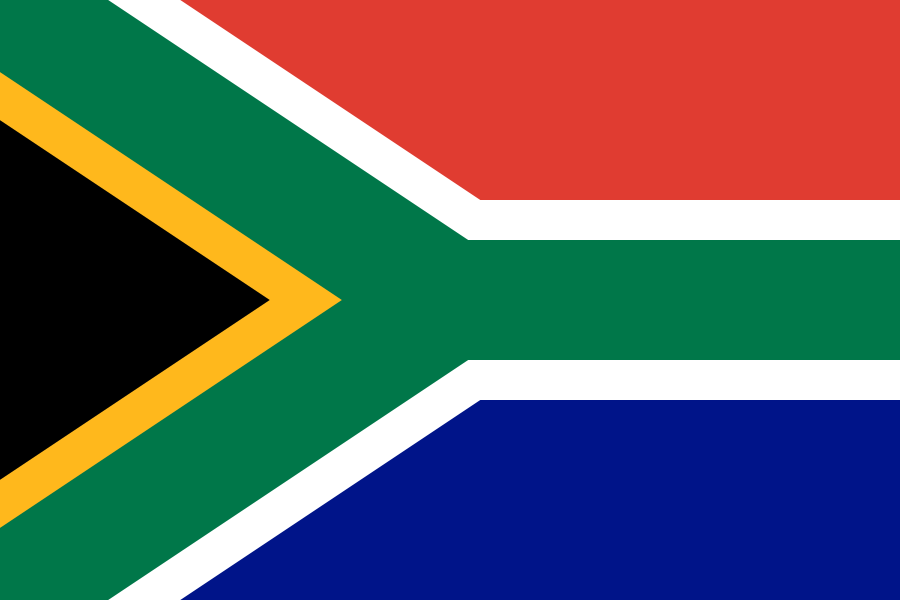
South Africa for Dutch Drivers — The Left-Hand Switch & the IDP Catch
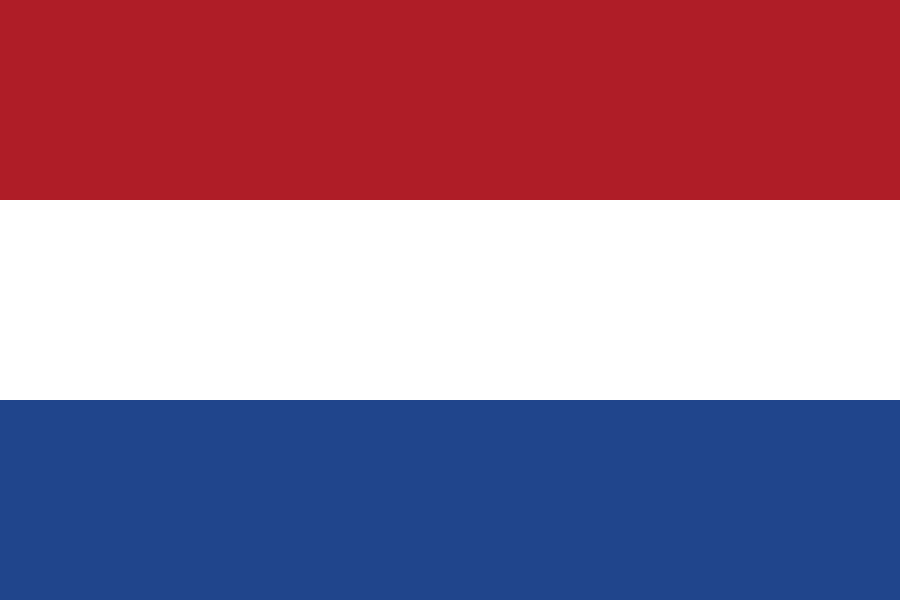 Netherlands
South Africa
South Africa drives on the left, the opposite of the Netherlands, and because your Dutch licence isn't in English an International Driving Permit is required with it, for visits up to 12 months. Highways are superb; the cities carry a carjacking risk to plan around.
After the flat, orderly roads of home, South Africa is a different kind of driving: long distances, big skies, and a road network good enough to enjoy them on. Two things need handling first, the side of the road and a piece of paperwork your Dutch licence cannot replace.
Licence and permit, in one paragraph
South Africa accepts a licence printed in English for up to 12 months. A Dutch licence is not in English, so you need an International Driving Permit alongside it, and the permit has to be arranged in the Netherlands before you go, because it cannot be issued in South Africa. Rental desks treat it as essential. Take the licence, the IDP and your passport to the counter, and check what your trip calls for with the driving permit checker.
Left-hand driving changes everything
The Netherlands drives on the right; South Africa drives on the left. The gearstick moves to your left hand, roundabouts run clockwise, and every junction instinct you have points the wrong way. The first hour out of the airport or rental lot is the dangerous one, when reflexes betray you while pulling out of a fuel stop. Take a quiet road first, keep the speed modest, and don’t add a busy city or a mountain pass on day one. The drink-drive limit, at 0.05, is the same as at home, so that is one thing you do not need to recalibrate.
Netherlands and South Africa compared
| Netherlands | South Africa | |
|---|---|---|
| Side of the road | right | left |
| Towns | 50 km/h | 60 km/h |
| Rural roads | 80 km/h | 100 km/h |
| Motorway | 100 km/h by day | 120 km/h |
| Alcohol | 0.05 | 0.05 |
Everything outside town is faster than a Dutch driver is used to. A rural 100 against 80 at home means distances shrink on the map, but the road hazards grow, so stay alert for animals, minibus taxis and pedestrians at the roadside.
Fines are modest, risks are not
On paper the penalties are lower than in the Netherlands:
- Seatbelt: ZAR 500 (about EUR 25), against EUR 190 at home
- Phone in hand: ZAR 500-1,000 (about EUR 25-52), against EUR 440
- Red light: ZAR 1,250-2,500 (about EUR 65-130), against EUR 320
- Speeding up to 10 km/h over: ZAR 500-1,250 (about EUR 25-65)
- 20 km/h over: ZAR 1,250-2,500
- 30 km/h over or more: ZAR 2,500 and up, a court appearance and possible licence suspension
Do not read lower amounts as a reason to relax. Serious speeding ends in court, and a visitor with a flight to catch cannot afford that.
Watch the cities more than the speedometer
Open roads are excellent and well signed. The genuine hazard is urban carjacking at quiet intersections, particularly around big cities. Keep doors locked and windows up in traffic, valuables out of sight, and be cautious at deserted lights after dark. Plan arrivals in daylight where you can, and check your route before leaving rather than stopping to read the map at a junction.
Kit and emergency numbers
A warning triangle is required in South Africa; the Netherlands only recommends one. Emergency numbers differ from the single Dutch 112: dial 10111 for police, 10177 for ambulance and fire, or 112 from a mobile. Write these on the rental contract. The full rule set is on our South Africa driving guide.
First day plan
Collect the car in daylight, photograph every panel, and drive only a short, simple route on the first day. Fuel stops and ATMs are best used in daytime. If the car feels strange in left-hand traffic, pull over and reset instead of pushing on. Keep the IDP, licence and car papers together in one place, so a roadside check takes a minute rather than ten, and make sure every passenger buckles up before the car moves, since the seatbelt is the cheapest fine to avoid.
Speed limits, fines, equipment & license requirements
Your home country driving rules for reference
Renting a Car?
Compare prices from all major rental companies. Free cancellation on most bookings.
Compare Car Rental PricesSome links on this page are affiliate links. We may earn a commission at no extra cost to you. How our affiliate links work.
More Free Tools
Explore TyreMap
Frequently Asked Questions
South Africa drives on the left. The Netherlands drives on the right, so the side switch is the main adjustment — hardest in your first hour at junctions and roundabouts.
Yes. Your Dutch licence is not in English, so an International Driving Permit is required alongside it. Arrange it in the Netherlands before you go — it can't be issued in South Africa.
Only if it is in English or comes with an accurate English translation. South Africa accepts an English-language licence for up to 12 months, and the IDP is needed where the licence is not in English, which is the case for a Dutch card.
0.05 BAC, the same as the Netherlands, so no change there. Enforcement is firm and penalties heavy — keep it at zero before driving.